First Aid Essentials for Wound Care: Caring for Cuts and Scrapes
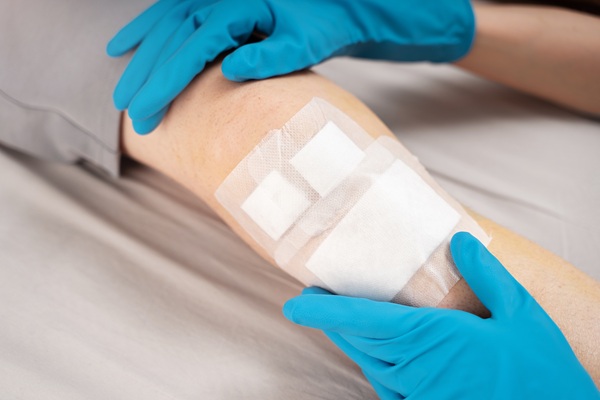
Wondering about wound care and when to seek medical advice? Read on to learn more. Minor injuries can happen at any time, from a cut from working with a sharp knife in the kitchen to an abrasion from a fall on the pavement. They could be minor injuries that should be treated with basic first aid knowledge. Wound care might stop some infections from occurring and assist with wound healing.
Wound care essentials: Dealing with cuts and scrapes
The very first step in addressing a cut or scrape would be to stop the bleeding. Patients can put on a clean cloth, piece of paper towel, or bandage to stop the bleeding for a few minutes. In case bleeding continues or gets severe after 10 to 15 minutes of firm pressure, seek medical attention as this might be a more serious injury.
Clean to prevent infection
Clean the wound after the bleeding stops. This will prevent infection and clean up dirt and debris from the area. The patient should first wash their hands with soapy and warm water. Cleanse the wound with cool running water and mild soap. An antimicrobial soap can work well. Be gentle, as rubbing too hard can result in scarring.
Carefully examine the wound after cleaning it. Any remaining debris can be taken out with tweezers previously cleaned with isopropyl alcohol. Do not push too far into the wound. If the cut is big, gaping, or getting rid of all debris is impossible, then medical attention is essential.
Apply antibiotic ointment and bandage
For minor cuts and scrapes where bleeding is minimal and no debris remains, apply an antibiotic ointment. Topical creams are good for keeping wounds moist and healthy and avoiding infection. Avoid ointments containing petroleum, which holds moisture and increases the risk of infection.
Individuals can close the wound with gauze tied with paper tape or an adhesive bandage after applying the ointment. This will stop outside contaminants from getting into the area. The dressing should be changed daily or whenever it is damp or soiled.
Look for signs of infection
Look for indications of an infection — like swelling, redness, and pus. Keep the injured area elevated for the next couple of days to reduce swelling and pain. If experiencing pain, an over-the-counter pain reliever like acetaminophen or even ibuprofen might help.
When to seek medical attention
Most cuts and scrapes heal within a few days if properly taken care of. Signs of medical help might include fever, redness or swelling, red streaks, or pus after a short time. If the wound is filthy and the patient has not had a tetanus booster within the last 10 to 15 years, a visit to the medical clinic is needed for wound care.
The bottom line
Minor cuts and scrapes may be treated at home with a few first-aid measures for wound care. Proper wound cleaning and antibiotic ointment along with a bandage are needed. However, you need to still speak with a medical professional in case you have concerns regarding the seriousness of the injury or potential infection. What may appear like a minor cut can become a big problem without adequate wound care.
Get more information here: https://encompasscarelv.com or call Encompass Care at (702) 514-4295.
Check out what others are saying about our services on Yelp: Read our Yelp reviews.
Related Posts
Brain health affects your memory, focus, mood, and day-to-day life. While some memory changes are a normal part of aging, simple habits can support a healthy brain. A primary care provider can also help spot health issues that may affect memory and concentration. Here are some strategies that can keep your brain healthy and young.Regular…
Hormone replacement therapy may help patients who experience disruptive symptoms from changing hormone levels during menopause, perimenopause, and other hormone-related transitions. These changes can affect sleep, energy, mood, temperature control, sexual health, and daily comfort. One of our primary care professionals can review your symptoms to determine whether hormone treatment may be a safe and…
You can get a minor injury treatment from your PCP (primary care physician). A PCP is a doctor who practices general medicine. You may have one taking care of your family since you have moved into town. Your PCP will know you and your family better. It is only practical to have your minor injury…
Urgent care centers treat non-emergency medical issues that still require immediate medical attention. Understanding what to expect and preparing for your visit can make the experience smoother and more efficient. Below are key things to consider before visiting one of these facilities.Urgent care centers fill the niche between hospital emergency rooms and primary care doctors…