What To Expect at a Drug Screening
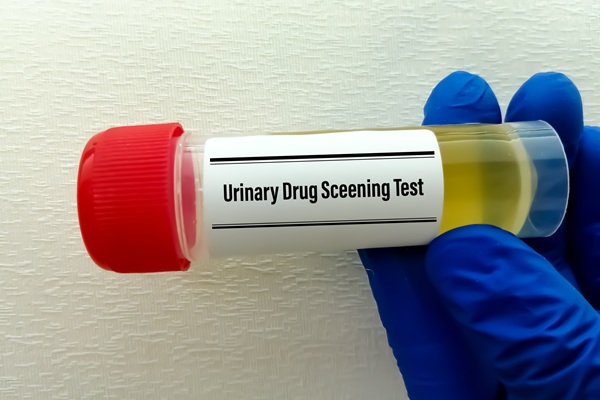
A drug screening may be necessary for a new job, workplace requirements, or other medical/dministrative purposes. Knowing what happens during the visit can make the process feel less unfamiliar. Most appointments involve checking in, providing a sample, and following instructions for how results will be reported. The exact steps depend on the test and the organization requesting it.
How a drug screening appointment begins
Patients should bring identification and any paperwork or authorization from an employer or other requesting organization. At check-in, the medical assistants or nurses may confirm the type of test and explain the collection process. Calling ahead can help clarify whether an appointment is necessary and whether specific intake forms are required. Patients should also ask about any instructions before arriving rather than making assumptions about preparation, as workplace drug screening requirements can differ, so checking the referral details beforehand may help avoid an unnecessary return trip.
Preparing for the sample collection
Urine is a common sample for drug testing, although some providers use oral fluid or other methods. Patients may need to provide information about prescription medicines, over-the-counter (OTC) products, and supplements that could affect the results. It is important to note that they should not stop prescribed medication simply to prepare for screening, but should make the provider aware of their medical history. Further, normal hydration is usually appropriate, but drinking excessive water immediately beforehand can produce a diluted urine sample and may require another collection.
What happens during collection
For a urine test, the nurse or medical assistant explains how to provide the sample and where to return the container. Patients may receive instructions about washing their hands, leaving personal items outside the collection area, or following other safeguards. Most routine collections provide privacy, although certain testing programs require additional observation under specific circumstances.
For oral fluid testing, a collector may use a swab inside the mouth, making urine samples unnecessary. Collection procedures vary, so patients should follow the instructions given at their appointment. Of course, patients are welcome to ask questions about unfamiliar steps at any point during the drug screening.
How the sample and results are handled
Some testing programs use documentation that tracks a sample from collection through laboratory processing. This chain-of-custody process helps establish that the specimen belongs to the correct person and remains properly handled. Note that results may be available quickly for certain screens, while laboratory testing and confirmation can take longer. A preliminary positive screen does not automatically establish drug misuse, since some medications and other factors can affect screening results. Depending on the specific drug screening, a laboratory may perform confirmation, and a medical review officer may evaluate relevant prescriptions.
What patients should ask before leaving
Before leaving, patients can confirm who receives the results, whether any additional paperwork is needed, and whom to contact with questions. Workplace testing programs may send findings to an employer or designated representative rather than directly to the patient. However, it is important to remember that privacy and reporting procedures depend on the reason for testing and the applicable program. Still, asking these questions ahead of time can prevent unnecessary confusion later.
Schedule a drug screening
Drug screening is generally straightforward when patients know what documentation to bring and follow the collection instructions. Our care team can clearly explain the available service and any preparation requirements before the visit. Call our office for more details or to schedule an appointment.
Request an appointment here: https://encompasscarelv.com or call Encompass Care at (702) 514-4295 for an appointment in our North Las Vegas office.
Check out what others are saying about our services on Yelp: Drug Screening in North Las Vegas, NV.
Related Posts
Brain health affects your memory, focus, mood, and day-to-day life. While some memory changes are a normal part of aging, simple habits can support a healthy brain. A primary care provider can also help spot health issues that may affect memory and concentration. Here are some strategies that can keep your brain healthy and young.Regular…
Hormone replacement therapy may help patients who experience disruptive symptoms from changing hormone levels during menopause, perimenopause, and other hormone-related transitions. These changes can affect sleep, energy, mood, temperature control, sexual health, and daily comfort. One of our primary care professionals can review your symptoms to determine whether hormone treatment may be a safe and…
You can get a minor injury treatment from your PCP (primary care physician). A PCP is a doctor who practices general medicine. You may have one taking care of your family since you have moved into town. Your PCP will know you and your family better. It is only practical to have your minor injury…
Urgent care centers treat non-emergency medical issues that still require immediate medical attention. Understanding what to expect and preparing for your visit can make the experience smoother and more efficient. Below are key things to consider before visiting one of these facilities.Urgent care centers fill the niche between hospital emergency rooms and primary care doctors…